SportStar Epos +
SportStar Epos + is a 2026 electric light sport aircraft built in the Czech Republic by Evektor. It uses a 45 kWh lithium polymer battery and a 75 kW motor delivering up to 260 km/h top speed and about 170 km range. Priced from $195,000 USD, it targets flight schools seeking lower operating costs and quiet, zero emission training operations.


| manufactured in | Czech Republic |
| model year | 2026 |
| battery capacity (kWh) | 45 |
| flying time (min) | 60 |
| flying range (mi) | 106 |
| max. speed (mi/h) | 162 |
| weight (kg) | 697 |
| passengers (qty) | 1 |
| cargo capacity (kg) | 33 |
* Minimum price set for the base trim by the manufacturer

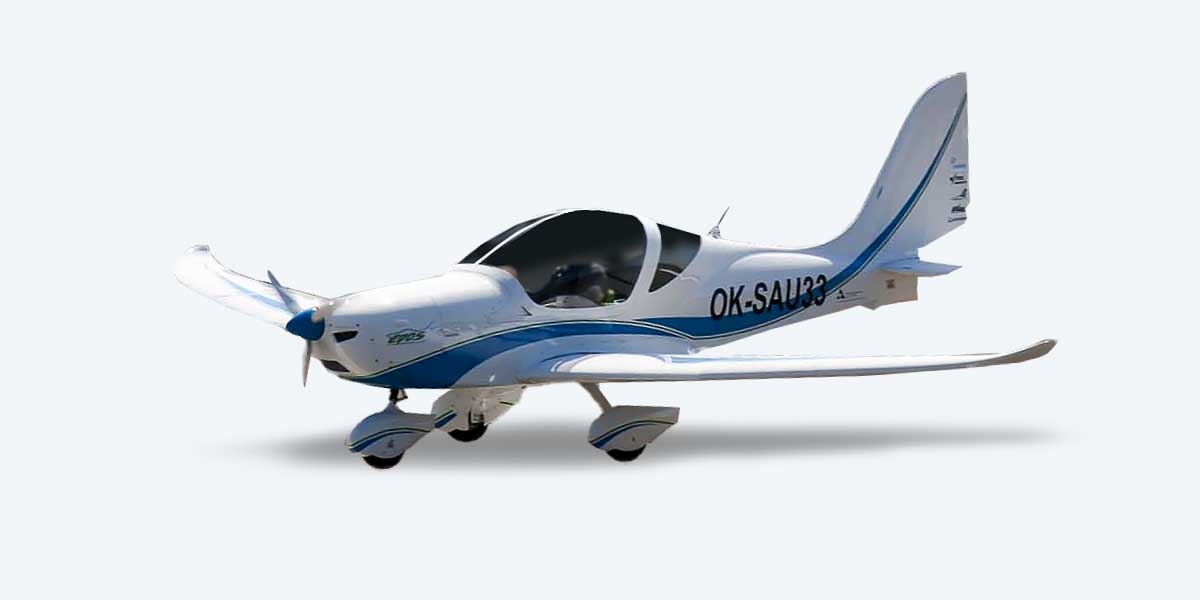
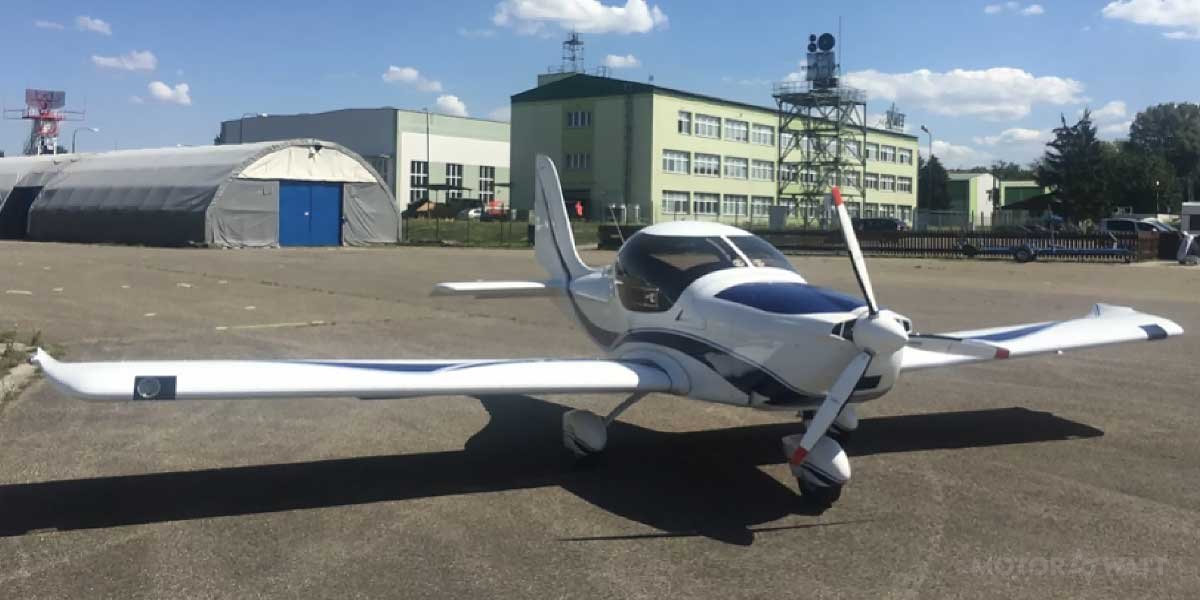
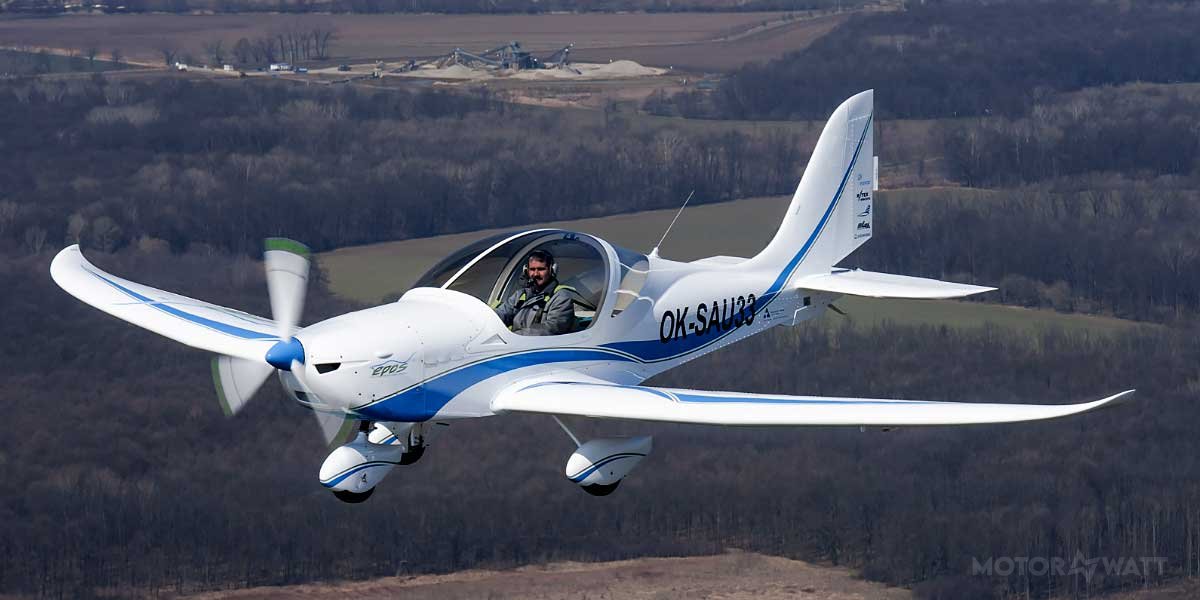
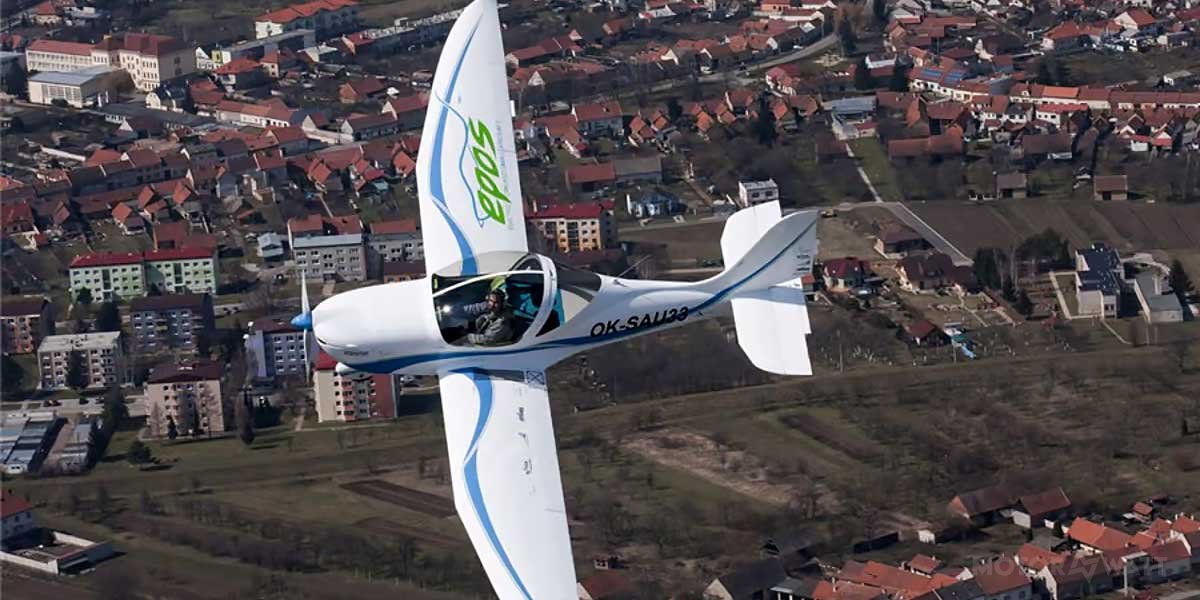
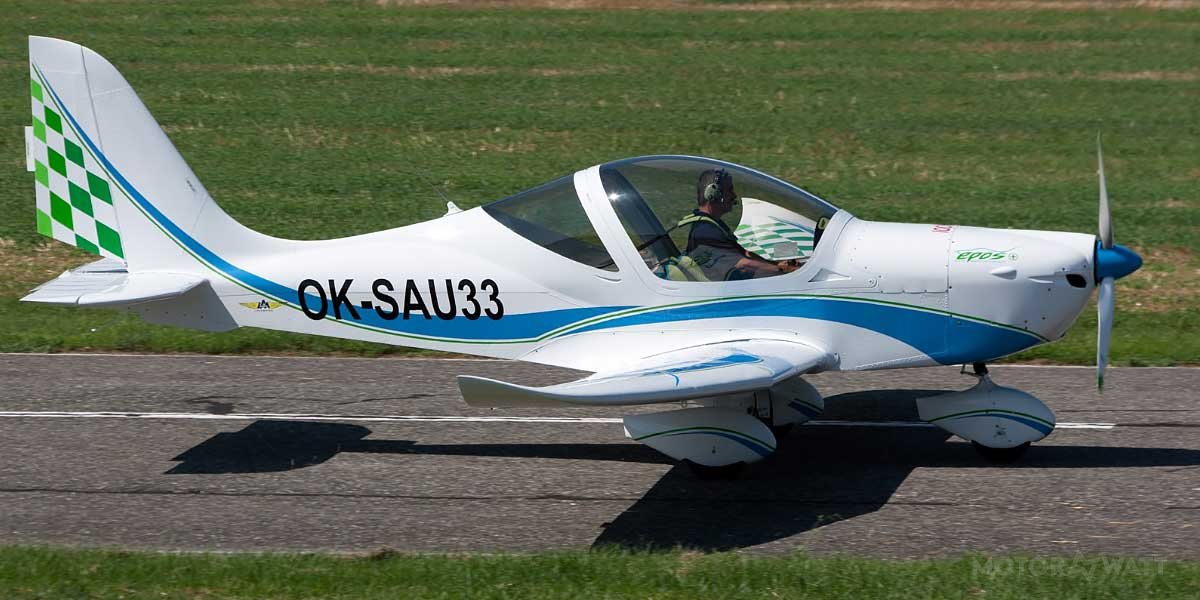
Exterior and Interior photos of SportStar Epos +
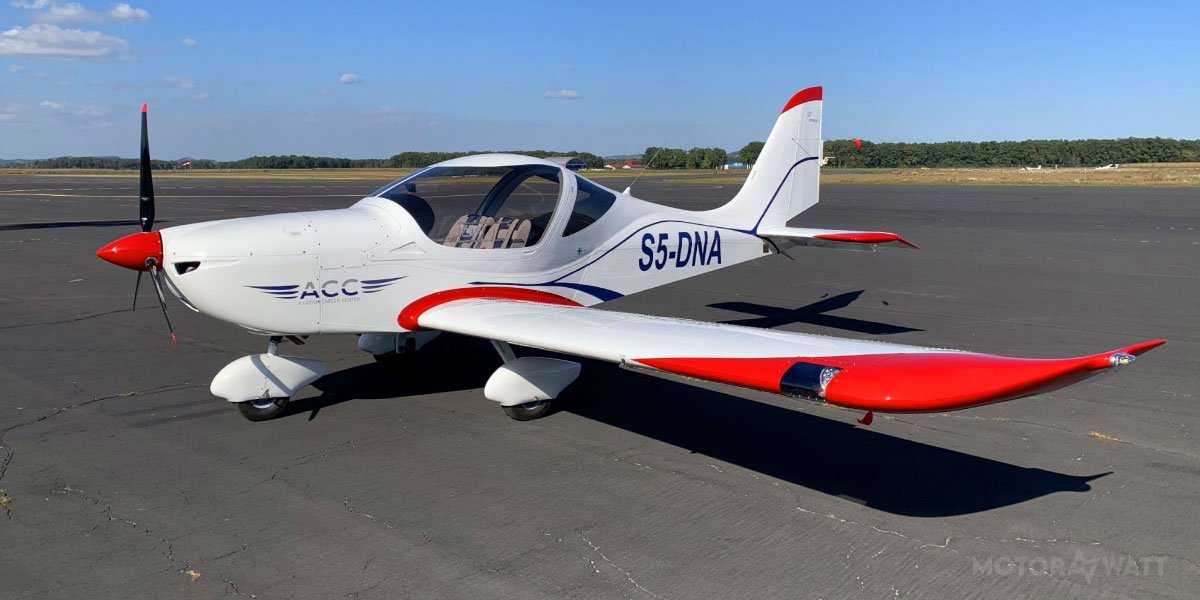
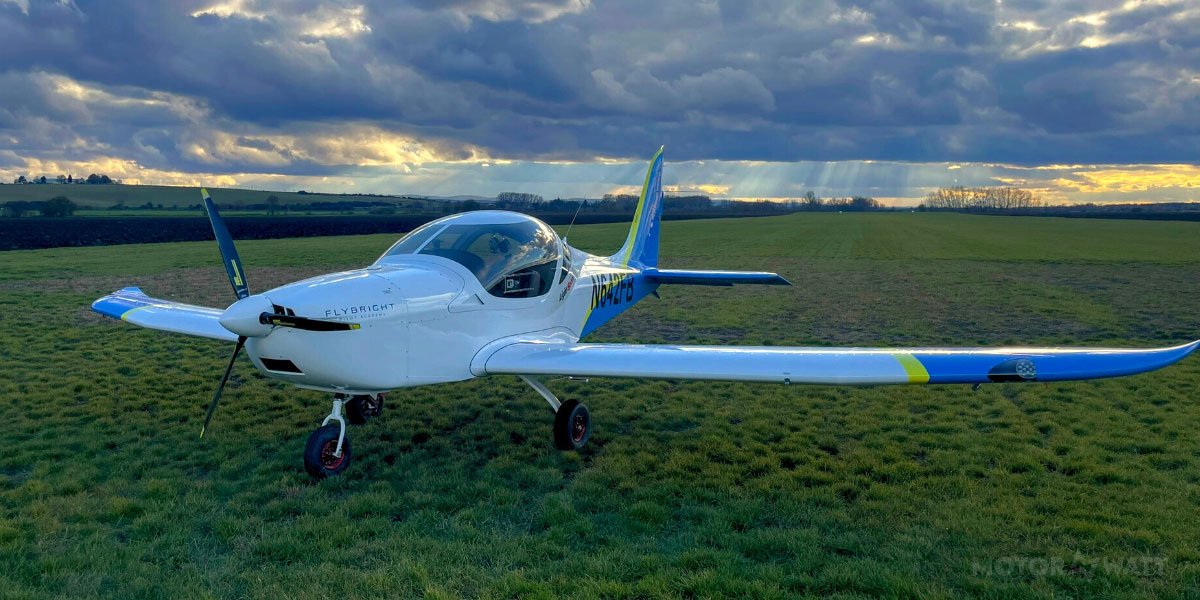
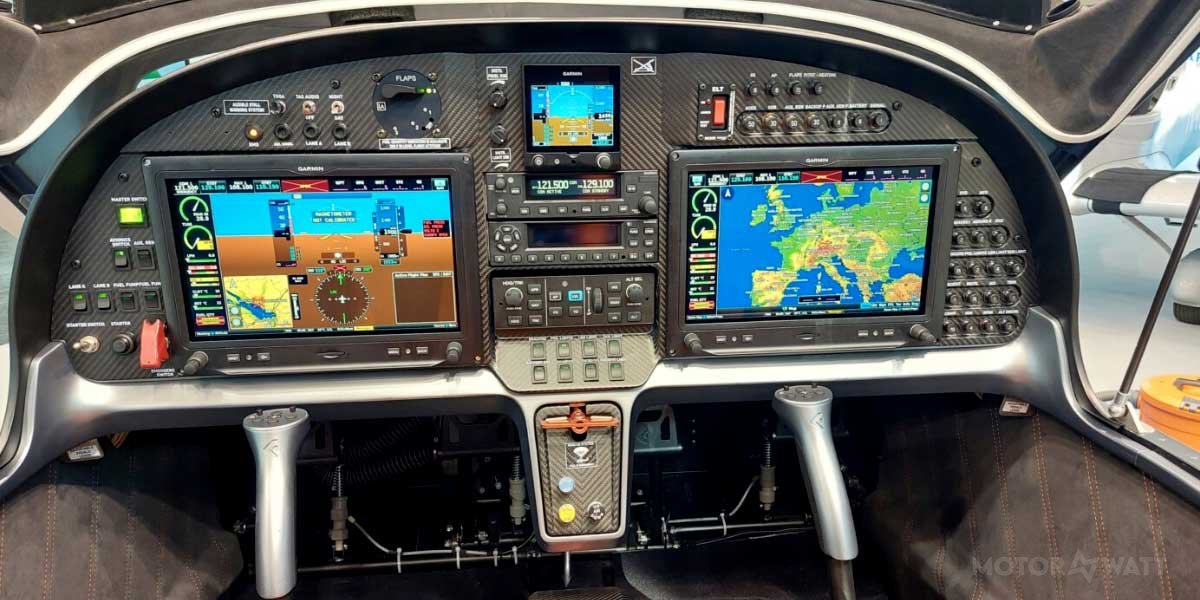
What is the SportStar Epos +?
SportStar Epos + Introduction:
SportStar Epos + arrives as a forward-thinking electric light sport aircraft engineered for modern flight schools and private pilots seeking efficient, zero emission aviation. Manufactured in the Czech Republic by Evektor-Aerotechnik, this 2026 model year aircraft positions itself as a serious alternative to piston powered trainers. The category is electric LSA, the differentiator is a 75 kW electric propulsion system paired with a 45 kWh lithium polymer battery. With a flying range of 170 km and a top speed of 260 km/h, it delivers credible real-world performance. Starting at $195,000 USD (€164,472), it targets institutions that value lower operating costs and quieter operations. In short, it speaks directly to the future of sustainable flight training.
- Manufactured in the Czech Republic by Evektor-Aerotechnik with roots in certified light sport platforms.
- Model year 2026 representing the latest evolution of the EPOS electric aircraft program.
- Base price starts at $195,000 USD (€164,472) aimed at flight schools and recreational aviators.
- Key highlight includes a 45 kWh battery and 75 kW motor for quiet, efficient training missions.
- Market positioning centers on green aviation and reduced hourly operating expenses.
What is the Price of SportStar Epos + in 2026?
The SportStar Epos + price starts at $195,000 USD (€164,472). That figure places it squarely in the premium electric trainer segment, competing with other electric light sport aircraft while undercutting many advanced piston trainers in long-term operating cost.
| Trim Level | PRICE | KEY FEATURES |
|---|---|---|
|
Base (Standard Battery Pack)
|
45 kWh lithium polymer battery, 75 kW motor, 170 km range, 260 km/h top speed, 60 minute endurance, fixed tricycle landing gear.
|
|
|
Extended Range (Dual Battery Containers)
|
Enhanced endurance up to 90 minutes, dual battery configuration, optimized for longer pattern work and cross-country training.
|
|
|
Premium (Glass Cockpit & Parachute)
|
Advanced glass cockpit display, integrated GNSS, ballistic recovery parachute, full digital motor and battery monitoring interface.
|
Each trim adjusts the mission profile. The base configuration suits repetitive traffic pattern sessions. Extended Range supports slightly longer instructional flights. Premium targets schools emphasizing safety and modern avionics. Battery capacity remains 45 kWh in standard form, while dual containers stretch endurance. All versions maintain the 75 kW electric propulsion output and similar structural design.
Engine, Battery, and Performance Specs:
Battery & Charging Specifications
The electric propulsion system draws energy from a 45 kWh lithium polymer battery. That capacity supports an estimated 170 km range, equal to about 106 miles. Endurance reaches roughly 60 minutes in standard configuration, extending toward 90 minutes with additional battery modules. DC fast charging restores energy in about 1 hour, while AC charging requires roughly 7 hours. For flight schools, that rhythm supports multiple daily sorties with proper scheduling.
- Battery Capacity: 45 kWh lithium polymer
- Flying Range: 170 km (106 miles)
- Endurance: about 60 minutes standard
- DC Fast Charging: approximately 1 hour
- AC Charging: approximately 7 hours
Electric Motor Specifications
Propulsion comes from a 75 kW electric motor, equivalent to about 100 horsepower. Immediate torque delivery creates smooth throttle response during takeoff and climb. The simplified single power lever reduces workload, especially for student pilots. Compared with traditional piston engines, vibration levels remain minimal. And that lower mechanical complexity contributes to lower maintenance cycles.
- Motor Output: 75 kW (100 hp)
- Configuration: Single electric motor
- Cooling: Liquid cooled system
- Control: Single lever power management
Performance Specifications
Top speed reaches 260 km/h, equal to roughly 162 mph. The aircraft weighs 316 kg, about 697 lb, with batteries installed. Empty weight without batteries sits at 285 kg or around 628 lb. Payload capacity includes one pilot and up to 15 kg, roughly 33 lb of cargo. Wing span measures 10.46 meters, or 34.3 feet, contributing to stable low-speed characteristics.
- Top Speed: 260 km/h (162 mph)
- Weight with Batteries: 316 kg (697 lb)
- Cargo Capacity: 15 kg (33 lb)
- Wing Span: 10.46 m (34.3 ft)
For flight schools, the equation feels straightforward. Lower noise. Lower hourly cost. Predictable handling. Electric torque at takeoff provides steady climb performance. And the simplified engine management frees instructors to focus on aerodynamics rather than mixture settings.
Exterior and Interior Features
Exterior Design
The low wing cantilever design follows classic light sport architecture. Aluminum construction uses anodized and corrosion proofed panels, ideal for high utilization training fleets. The trapezoidal wing extends span for efficiency and stability. A bubble canopy offers near 360 degree visibility, valuable during traffic pattern operations. LED lighting supports navigation and landing duties, while the fixed tricycle landing gear with steerable nose wheel enhances ground control.
Interior & Technology
Inside, side by side seating delivers 1.18 meters of shoulder room, roughly 3.87 feet. That width rivals many larger general aviation cabins. The digital display integrates motor data, battery state, and navigation in one interface. GNSS and VHF radio systems support modern communication standards. Ergonomic seats use durable synthetic materials suitable for intensive daily training cycles. Optional ballistic recovery adds an extra layer of reassurance for trainees.
The cabin prioritizes clarity. The exterior favors practicality. Aluminum panels simplify repairs compared with composite airframes. And for urban airports facing noise constraints, electric propulsion provides a welcome operational advantage.
Pros and Cons:
Pros
- Zero emission electric propulsion
- Approximately 75 percent lower operating cost per hour
- Quiet operation suitable for urban airports
- Modern digital cockpit interface
- Aluminum construction for easier maintenance
Cons
- Endurance limited to about 60 to 90 minutes
- Single seat capacity limits training flexibility
- Charging infrastructure required on site
Market position & Expert Data:
The electric aviation market continues expanding through 2026. According to Reuters, global electric aircraft development programs increased by over 30 percent year over year entering 2025. Research shows flight schools represent one of the earliest commercial adopters due to repetitive short missions.
Data reveals operating cost reductions near 70 to 80 percent compared with avgas trainers, a figure often cited in industry analyses. McKinsey reports that electric propulsion lowers direct energy cost per flight hour substantially in training environments. Positioned against competitors like Pipistrel Velis Electro, the Czech built platform benefits from an aluminum airframe and existing SportStar fleet infrastructure in the USA and Europe.
Conclusion:
SportStar Epos + stands as a pragmatic electric trainer built for structured flight schools and eco minded pilots. With a 45 kWh battery, 75 kW motor, and 260 km/h top speed, it delivers credible performance in the light sport aircraft segment. Pricing from $195,000 USD (€164,472) reflects advanced technology paired with lower operating expense. For pattern work and primary instruction, it offers a clear path toward cleaner aviation.
Watch the Video Overview

Full specifications
Model Specs
| Specification | Actual Data |
|---|---|
|
Model Name
|
SportStar Epos +
|
|
Model Year
|
2026
|
|
Manufacturer
|
Evektor-Aerotechnik
|
|
Country of Origin
|
Czech Republic
|
|
Vehicle Class
|
Electric light sport aircraft trainer
|
Performance
| Specification | Actual Data |
|---|---|
|
Power Type
|
Battery electric propulsion
|
|
Motor Output
|
75 kW (100 hp)
|
|
Motor Configuration
|
Single electric motor
|
|
Maximum Speed
|
260 km/h (162 mph)
|
|
Endurance
|
60 minutes standard flight time
|
Battery and Charging
| Specification | Actual Data |
|---|---|
|
Battery Capacity
|
45 kWh lithium polymer
|
|
Charging Time DC Fast
|
About 1 hour
|
|
Charging Time AC
|
About 7 hours
|
|
Energy Use Context
|
Designed for flight school turnaround planning
|
Estimated Range Data
| Specification | Actual Data |
|---|---|
|
Estimated Flying Range
|
170 km (106 miles)
|
|
Standard Mission Endurance
|
About 60 minutes
|
|
Extended Configuration Endurance
|
Up to about 90 minutes depending on configuration
|
Body Specifications
| Specification | Actual Data |
|---|---|
|
Length
|
5.98 m (19.6 ft)
|
|
Wingspan
|
10.46 m (34.3 ft)
|
|
Height
|
2.48 m (8.1 ft)
|
|
Curb Weight with Batteries
|
316 kg (697 lb)
|
|
Empty Weight without Batteries
|
285 kg (628 lb)
|
|
Cargo Capacity
|
15 kg (33 lb)
|
Exterior Design Features
| Specification | Actual Data |
|---|---|
|
Airframe Construction
|
Anodized and corrosion proofed aluminum
|
|
Wing Design
|
Low wing cantilever, trapezoidal wing planform
|
|
Canopy
|
Bubble canopy with wide visibility field
|
|
Lighting
|
High efficiency LED navigation and landing lighting
|
|
Landing Gear
|
Fixed tricycle landing gear with steerable nose wheel
|
Interior Design and Materials
| Specification | Actual Data |
|---|---|
|
Seating Layout
|
Side by side seating
|
|
Shoulder Room
|
1.18 m (3.87 ft)
|
|
Seat Materials
|
Durable synthetic upholstery designed for training use
|
Cabin Technical Features
| Specification | Actual Data |
|---|---|
|
Primary Display
|
Digital cockpit display integrating motor, battery, and navigation data
|
|
Communications
|
Modern VHF radio capability
|
|
Navigation
|
GNSS navigation system support
|
|
High Voltage Monitoring
|
Electronic control unit monitoring the high voltage system
|
|
Safety Option
|
Optional ballistic recovery parachute system
|
How does it compare?
SportStar Epos + plays in a crowded electric aviation sandbox, so the interesting question is usability per dollar against proven and emerging rivals. Put it next to Bye Aerospace eFlyer 2, the roadable Terrafugia Transition, the garage-friendly Air ONE, and the ultralight style Pivotal Helix. Range, charge rhythm, and price logic separate serious trainers from weekend toys. And the numbers highlight how electric light sport aircraft and personal eVTOL concepts chase very different missions.
| EV Model | PRICE (USD) | KEY FEATURES | EV PAGE |
|---|---|---|---|
|
SportStar Epos +
|
Model Year 2026, Manufactured in Czech Republic, Range 105.6 miles (170 km), Battery 45 kWh, Top Speed 161.6 mph (260 km/h), Power 100 hp (74.6 kW). |
||
|
Bye Aerospace eFlyer 2
|
Model Year 2023, Manufactured in USA, Range 110.6 miles (178 km), Top Speed 155.3 mph (250 km/h). |
View | |
|
Terrafugia Transition
|
Model Year 2026, Manufactured in USA, Flying Range 400.2 miles (644 km), Battery 12.5 kWh, Top Speed 99.4 mph (160 km/h). |
View | |
|
Air ONE
|
Model Year 2026, Manufactured in USA, Range 110.0 miles (177 km), Battery 74 kWh, Top Speed 155.3 mph (250 km/h). |
View | |
|
Pivotal Helix
|
Model Year 2024, Manufactured in USA, Range 21.7 miles (35 km), Battery 8.0 kWh, Top Speed 62.1 mph (100 km/h). |
View |
Range and Real World Usability for Electric Light Sport Aircraft
Range tells you mission intent. Terrafugia Transition stretches to 400.2 miles (644 km) of flying range, so it reads like a mobility tool, not a quick hop toy. Air ONE and eFlyer 2 cluster around 110 miles, a sweet spot for training loops and short cross-country sorties. Pivotal Helix lands in micro-range territory at 21.7 miles (35 km), aligning with ultralight style recreation. SportStar Epos + sits at 105.6 miles (170 km), which fits pattern work and structured school sorties with realistic reserves.
Charging Time and Daily Convenience for Electric Aviation
Daily convenience lives in turnaround planning and charger access. A published DC fast charge cycle at about 1 hour and an AC full charge around 7 hours gives scheduling clarity, especially for flight schools running back-to-back sessions. For the other aircraft listed, charging timing remains unspecified on the cards, so buyers lean on dealer guidance and real-world infrastructure checks. Practically speaking, hangar power, DC availability, and session pacing decide how many sorties fit in a day. And that determines whether an electric trainer feels effortless or fussy.
Price Positioning and Value Logic in the Electric Trainer Market
Price logic looks different once you factor mission. Air ONE posts the lowest starting figure at $150,000, but it targets personal eVTOL convenience more than traditional training workflows. Pivotal Helix carries a premium $190,000 tag for a single-seat ultralight experience, where regulatory simplicity becomes the product. Terrafugia Transition climbs to $279,000, priced like a niche mobility machine. eFlyer 2 jumps to $489,000 and signals a higher-end training platform story. SportStar Epos + at $195,000 threads a middle path, aiming at cost-per-hour discipline without stepping into half-million-dollar territory.
Battery Size Versus Mission Fit
Battery capacity hints at how each platform spends energy. Air ONE runs a large 74 kWh pack, supporting two seats and a 155.3 mph (250 km/h) top speed in a personal eVTOL profile. Terrafugia Transition lists 12.5 kWh yet claims very long flying range, so its spec set signals a unique architecture story that deserves dealer-level validation. Pivotal Helix uses 8.0 kWh for short-range hops and extended minutes, reflecting ultralight priorities. A 45 kWh battery with 100 hp (74.6 kW) output creates a balanced electric trainer recipe focused on repeatable sorties and manageable charging cycles.