Opel Grandland Electric 2026
Opel Grandland Electric is a 2026 German built compact electric SUV with front wheel drive and a 213 hp (159 kW) motor. A 73 kWh battery supports a rated 523 km (325 miles) range, with DC fast charging up to 160 kW for about 29 minutes from 20 to 80 percent. Starting price is $49,500 USD (€42,470).


| Body Type | SUV |
| Model Year | 2026 |
| Manufactured in | Germany |
| Battery Capacity (kWh) | 73 |
| Electric range (mi) | 325 |
| Max. Speed (mi/h) | 106 |
| 0-62 mi/h (sec) | 9.0 |
| Power (h.p.) | 213 |
| Power Type | electric |
| Drive Type | FWD |
* Minimum price set for the base trim by the manufacturer

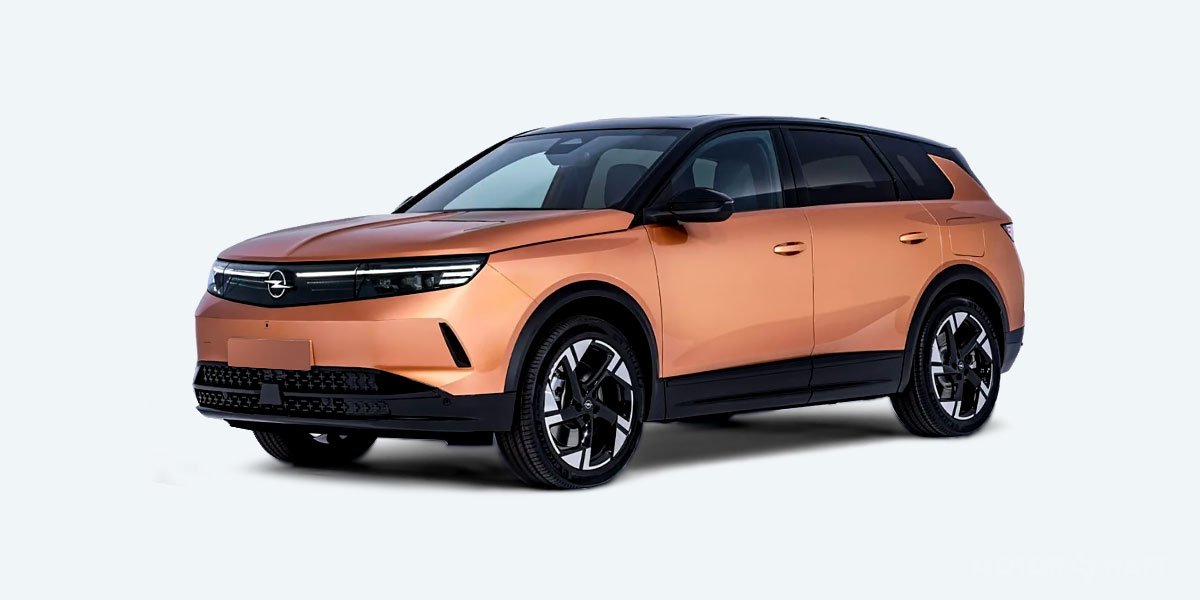
Exterior and Interior photos of Opel Grandland Electric 2026
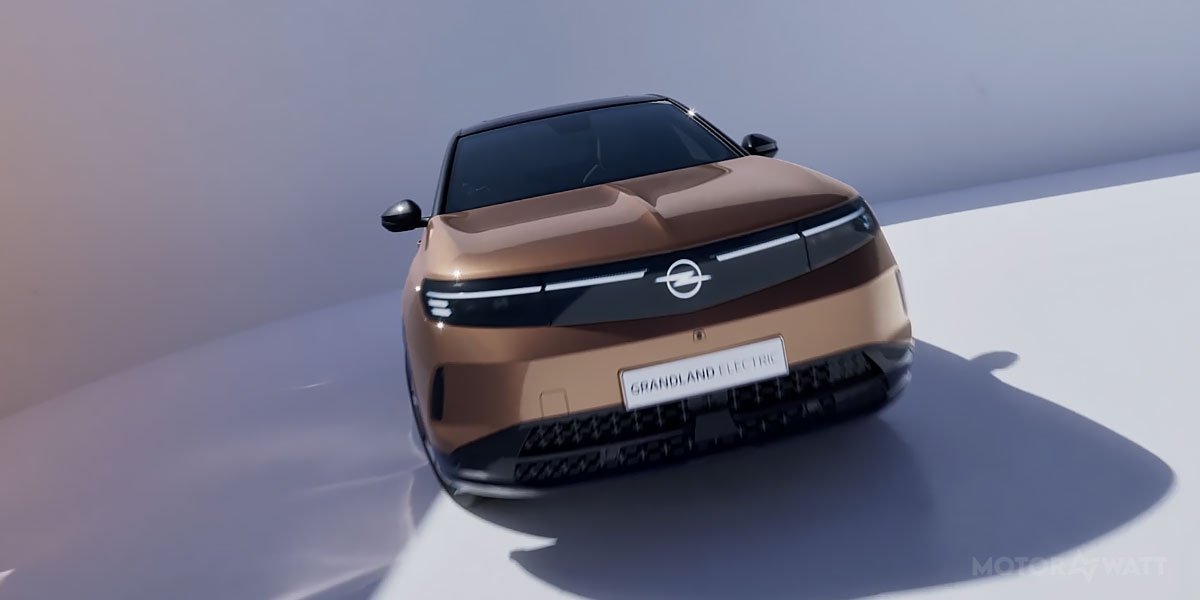
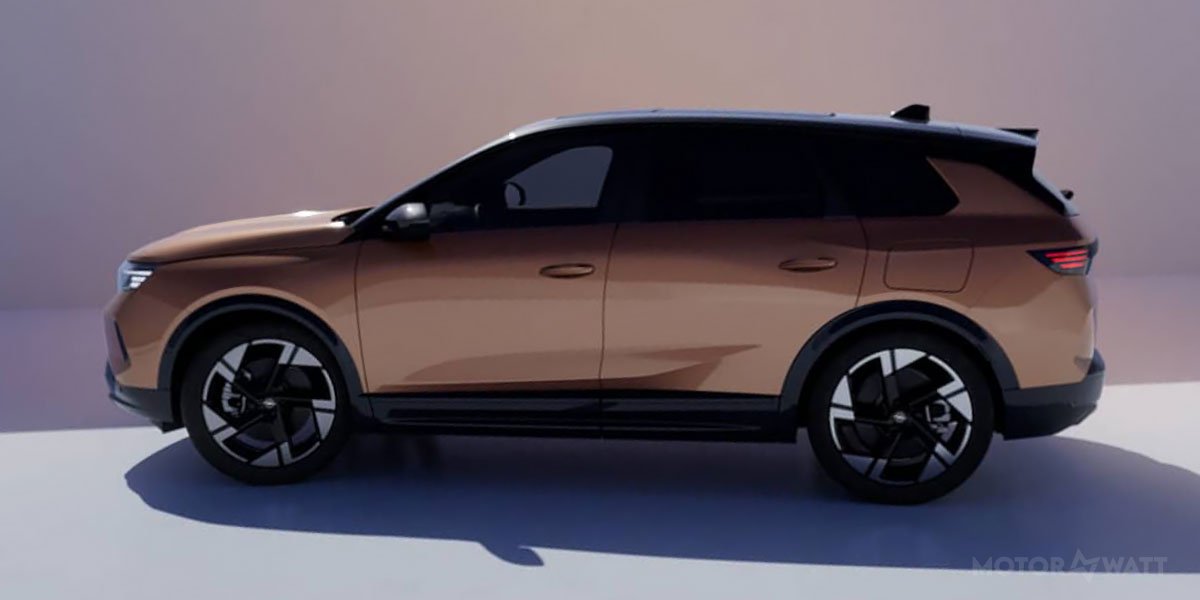
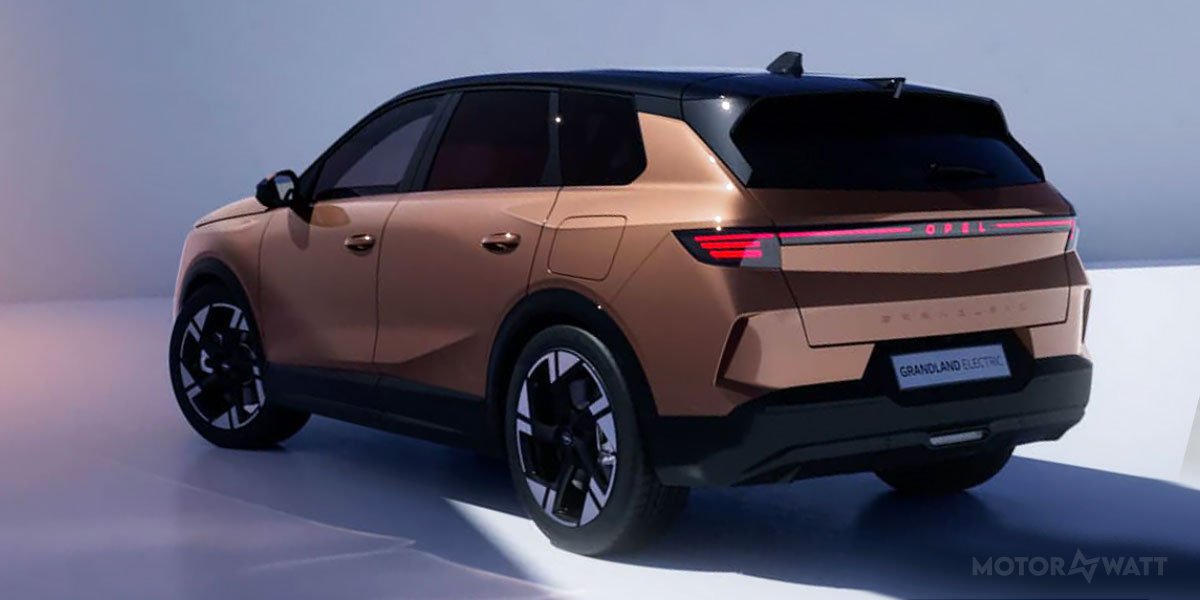
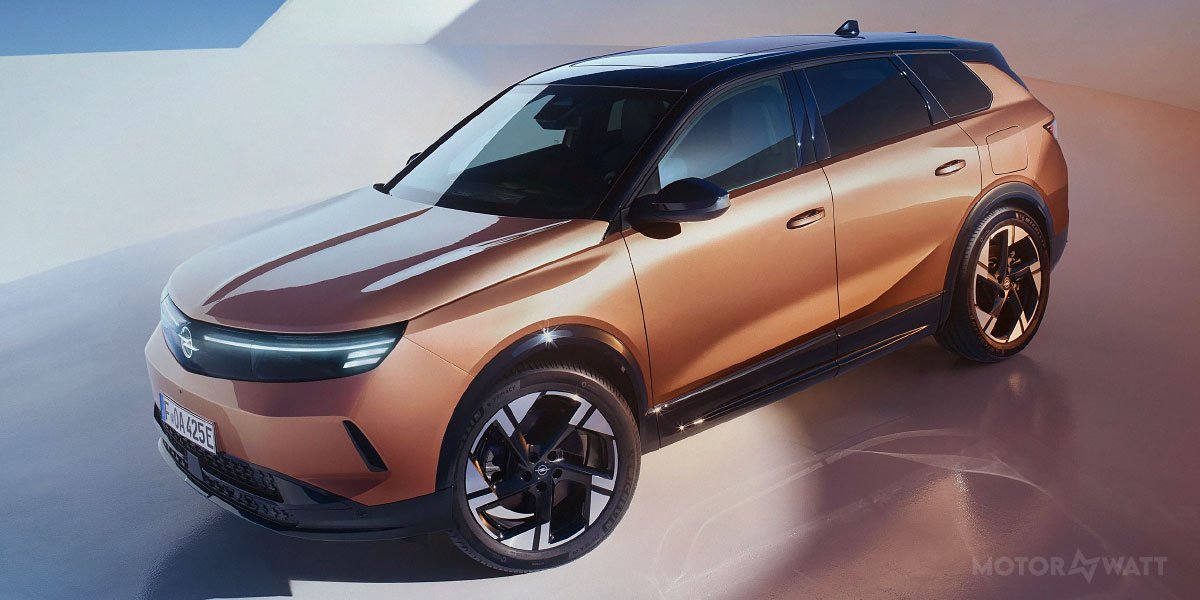
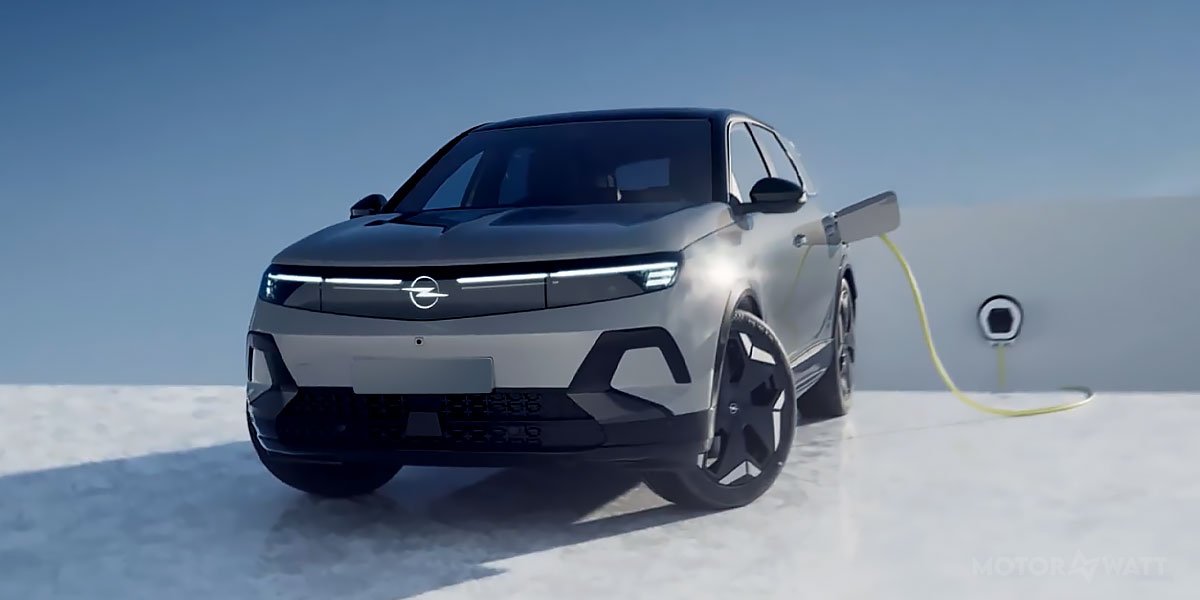
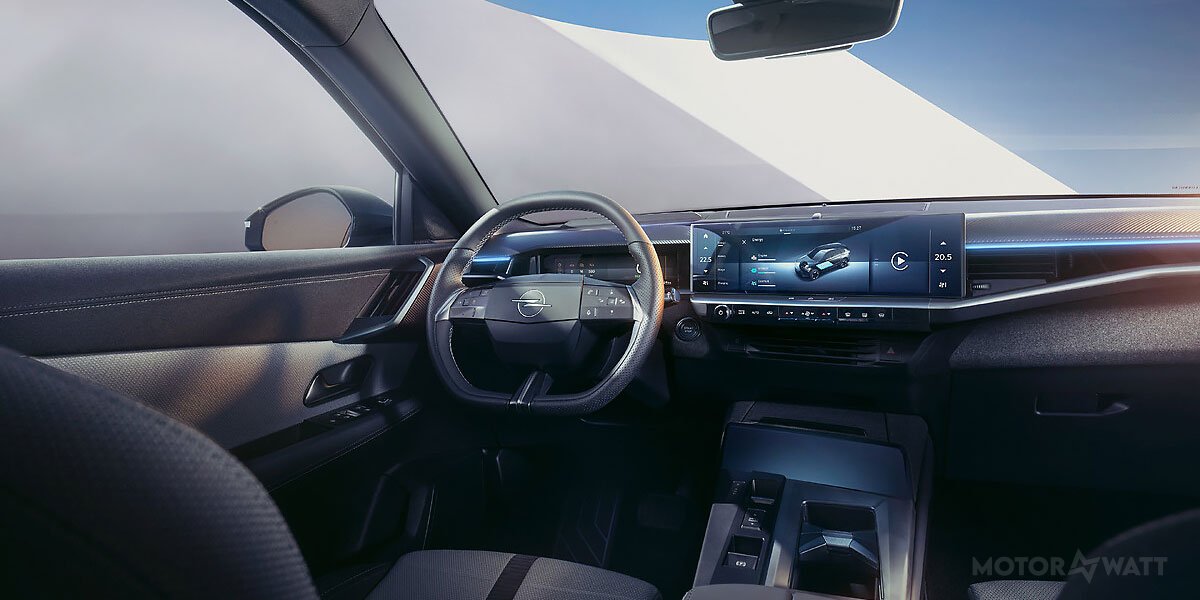
What is the Opel Grandland Electric 2026?
Opel Grandland Electric Introduction:
Opel Grandland Electric shows up for 2026 as a compact SUV that treats everyday driving like a craft, not a stunt. Built in Germany, the setup leans into calm traction, clean design, and tech that stays readable at a glance. Starting price lands at $49,500 USD (€42,470), putting the SUV in the premium mainstream lane, right where many Chicago area shoppers start comparing range, charging, and cabin comfort instead of badges. Range reaches 523 km (325 miles) on the test cycle, battery capacity sits at 73 kWh, and the motor delivers 213 hp (159 kW). So the pitch stays simple. A family friendly five door body, front wheel drive efficiency, and a ride tuned for commutes, errands, and highway miles that stack up fast around the Midwest. And yes, the vibe stays composed. Clean lines, a confident stance, and a cabin that feels modern without turning into a rolling science project. German engineered EV discipline, paired with daily usability, shapes the whole personality.
- Manufacturing story centers on Germany and Stellantis engineering, with a modular platform approach aimed at efficiency and repeatable quality.
- Public timing points to late 2025 visibility and a 2026 rollout, matching the next wave of compact electric SUVs.
- Platform focus leans on STLA Medium thinking, emphasizing packaging, aerodynamics, and charging readiness for real travel patterns.
- Starting price position stays premium mainstream at $49,500 USD (€42,470), chasing value through range and comfort rather than flash.
- Market aim targets commuters, families, and road trip planners who want predictable behavior and a connected cabin.
What is the Price of Opel Grandland Electric in 2026?
The Opel Grandland Electric 2026 price starts at $49,500 USD (€42,470). That figure places the SUV among well equipped compact electric crossovers where buyers expect meaningful range, solid driver assistance, and a cabin that feels thoughtfully finished. The base setup already carries the core numbers that matter, including 523 km (325 miles) of rated range, a 73 kWh battery, and 213 hp (159 kW) driving the front wheels.
| Trim Level | PRICE | KEY FEATURES |
|---|---|---|
|
Edition
|
Front wheel drive efficiency focus. 213 hp (159 kW) output. 73 kWh pack. WLTP style range target at 523 km (325 miles). Comfort tuned ride for daily miles. Clean cabin layout with digital displays and core safety tech.
|
|
|
GS Trim
|
Sportier appearance cues with larger wheels and bolder lighting signatures. Expanded driver assistance set for lane support and adaptive cruise style use. Cabin materials step up, with more personalization and upgraded infotainment experience for long drives.
|
|
|
Long Range 97 kWh
|
Distance driven configuration aimed at travelers. Bigger battery concept supports longer stints between chargers. Expect stronger road trip rhythm, especially on steady speed highways. Charging strategy stays central, with fast DC capability playing a key role.
|
|
|
Ultimate Trim
|
Comfort and tech leaning build. Larger display layout, richer upholstery feel, premium lighting details, and more advanced driver support functions. Ideal for buyers who treat the cabin as a daily workspace and a weekend lounge.
|
|
|
AWD Ultimate High Performance
|
Traction and power oriented flagship positioning. All wheel drive concept targets stronger launch feel and extra confidence on wet roads or winter surfaces. Buyers gain a more assertive personality with premium features layered on top.
|
Trim strategy stays straightforward. Edition covers the essentials with range and comfort, GS adds style and tech, Long Range aims at fewer charging stops, Ultimate layers on cabin polish, and AWD Ultimate High Performance focuses on traction and a stronger punch. Pricing climbs quickly in upper trims, so value hunters tend to circle the base or GS, while road trip planners often lean toward the longer legged configuration.
Engine, Battery, and Performance Specs:
Electric battery: Battery & Charging Specifications
The 73 kWh battery pack sits at the center of the driving experience, and the rating of 523 km (325 miles) suggests real day flexibility. In mixed use, expect a more grounded number closer to 470 km (292 miles), depending on temperature, speed, and wheel size. Chicago winters can trim range, so the heat pump and battery thermal management matter, helping efficiency when temperatures dive. Fast DC charging reaches up to 160 kW, and the common travel move of 20 to 80 percent lands around 29 minutes, a sweet spot for grabbing coffee and resetting the route. For home routines, an 11 kW AC wallbox fills the pack in roughly 7 hours, turning overnight charging into a set it and forget it habit. Regenerative braking adds strategy, especially in stop and go traffic, where controlled deceleration can stretch usable miles.
- Battery capacity 73 kWh
- Rated range 523 km (325 miles)
- Expected mixed range about 470 km (292 miles)
- DC fast charging up to 160 kW
- DC 20 to 80 percent about 29 minutes
- AC charging about 7 hours on 11 kW
Electric Motor Specifications
Motor output lands at 213 hp (159 kW), paired with front wheel drive for a clean and efficient layout. Torque reaches 345 Nm (254 lb ft), providing steady pull for city merges and highway ramps. The delivery feels smooth, with torque arriving early and staying consistent, which helps the SUV feel relaxed in everyday traffic. Front wheel drive also supports packaging efficiency, leaving more room for passengers and cargo while keeping mass and complexity under control. Drivers who value predictable steering response and easy maneuvering in tight parking garages tend to appreciate the simpler layout. And for commuters, fewer moving parts in the driveline can translate into a calmer ownership story. Drive modes shape throttle response, steering weight, and energy use, so Eco focuses on efficiency, Normal suits daily flow, and Sport sharpens response for quicker passing moves.
- Power 213 hp (159 kW)
- Torque 345 Nm (254 lb ft)
- Drive type FWD
- Power type full electric
- Body style SUV with five doors
Performance Specifications
Acceleration from 0 to 100 km per hour takes 9.0 seconds, and the 0 to 62 mph run tracks around 9.0 seconds as well. That pace leans practical, favoring smoothness over fireworks, which fits the family SUV mission. Top speed reaches 170 km per hour (106 mph), plenty for European highways and more than enough for American interstates where the goal usually involves quiet cruising and stable lane manners. Suspension tuning favors comfort, and adaptive style damping can help the ride settle over broken pavement, a real advantage when winter potholes start multiplying. Steering stays light around town and more planted at speed, so the SUV behaves predictably when lanes tighten and traffic stacks up. The overall performance profile supports the long range goal, since aggressive tuning often fights efficiency. For most buyers, that balance reads like common sense, especially for daily commuting and weekend travel.
- 0 to 100 km per hour 9.0 seconds
- 0 to 62 mph about 9.0 seconds
- Top speed 170 km per hour (106 mph)
- Range minded tuning for steady highway travel
Strong everyday advantages show up in predictable throttle response, quiet cruising, and charging times that fit normal travel breaks. Add the rated range and the SUV starts to look like a practical tool for families and commuters who value rhythm over drama.
Exterior and Interior Features
Exterior Design
The exterior carries Opel Vizor design cues with clean surfaces and defined lines that help the SUV look confident without shouting. Aerodynamic work matters here, since drag directly shapes highway efficiency, and details like air curtains and smoother body transitions support the 523 km (325 miles) rated range goal. Wheel options in the 19 to 20 inch neighborhood can change both style and efficiency, so buyers who prioritize range often stay conservative with wheel size. Lighting plays a major role in the visual signature, and Pixel Matrix LED headlights deliver a crisp look along with practical night visibility benefits. The body size sits in the compact family SUV zone, giving enough presence for highway travel while staying manageable in city parking. For Chicago streets, a footprint that threads garages and tight curb spaces feels like a real benefit during weekday errands.
Interior & Technology
Inside, the Pure Panel layout focuses on digital clarity, with a driver oriented cluster and an infotainment screen designed for quick reads. Base trims often lean on 10 inch class screens, while upper trims can stretch into a wide display arrangement that brings navigation, charging route planning, and media controls into one clean sweep. Physical climate controls remain a smart choice for real driving, since fingers find buttons faster than menus. Seating comfort matters in a compact SUV that aims at long distance usability, and Intelli Seats focus on ergonomic support during hours behind the wheel. Storage across the cabin supports daily living, from phone pockets to center console space, and the Pixel Box wireless charging area keeps devices organized. Driver assistance features like adaptive cruise, lane support, and automated braking aim at reducing fatigue on long interstate runs, especially during traffic heavy commutes.
Exterior and interior strengths tie together through a calm design approach and practical tech. Visibility, ergonomic seating, and intuitive controls support daily comfort, while aerodynamic focus and lighting details add function along with style.
Pros and Cons:
Pros
- Rated range of 523 km (325 miles) supports daily and highway use
- DC fast charging up to 160 kW with 20 to 80 percent about 29 minutes
- Comfort focused ride tuning suits commuting and road trips
- Ergonomic seating concept supports long drives
- Clear digital layout with practical physical controls
- Balanced 213 hp (159 kW) output for steady real world driving
Cons
- Acceleration at 9.0 seconds to 100 km per hour favors calm driving
- Upper trims raise the buy in beyond many mainstream budgets
- Front wheel drive layout on core versions limits traction options for some buyers
- Drive feel emphasizes efficiency and comfort over sharp sport response
Market position & Expert Data:
Compact electric SUVs keep gaining momentum in Europe, and the broader SUV body style stays dominant in passenger car demand. Data from the International Council on Clean Transportation shows SUVs and off road vehicles held a 48 percent share of new registrations in Europe in 2024, a powerful signal for where buyers place their money and attention. According to EU registration tracking from ACEA, battery electric cars reached a 16.4 percent market share across the first ten months of 2025, reflecting steady adoption in the mass market. Those numbers matter for a model positioned as premium mainstream, since buyers increasingly expect solid range, quick charging, and familiar crossover practicality in one package. For drivers comparing options in 2026, the competitive edge often comes from usable miles, cabin comfort, and charging routines that feel natural.
Research from McKinsey’s 2025 mobility survey highlights charging access and daily usability as major decision drivers, and the survey also notes shifting expectations among both EV owners and shoppers. In parallel, the IEA’s Global EV Outlook 2025 points to a persistent price premium for electrified vehicles in many markets, which keeps value discussions front and center for buyers who want an EV that fits a household budget. Put those signals together and the market picture gets clear. A compact electric SUV with 523 km (325 miles) of rated range, DC charging aimed at fast travel stops, and an approachable premium mainstream price tries to hit the current demand pattern rather than chase niche performance bragging rights.
According to ICCT European vehicle market statistics 2025 and 26, SUVs remain the largest European passenger car segment at 48 percent share for 2024 registrations, shaping design and packaging priorities. According to ACEA EU new car registrations reporting, battery electric cars held 16.4 percent market share across the first ten months of 2025, reinforcing the shift toward mainstream EV purchasing. Research shows consumer priorities often center on practical ownership signals, and McKinsey consumer survey insights from April 2025 highlight the role of charging convenience and total experience in purchase decisions. Data reveals affordability pressure remains real, and IEA Global EV Outlook 2025 affordability analysis describes the ongoing price premium trend that shapes how buyers compare trims, incentives, and total cost.
Opel Grandland Electric Summary:
Opel Grandland Electric for 2026 leans into the kind of EV life most drivers actually live. Rated range reaches 523 km (325 miles), the 73 kWh pack supports long stints between chargers, and DC charging around 29 minutes from 20 to 80 percent fits real travel breaks. Starting price at $49,500 USD (€42,470) places the SUV in premium mainstream territory, with trims that scale from sensible to feature rich. For commuters, families, and road trip planners, the calm ride, readable tech, and predictable performance can feel like the right kind of smart.
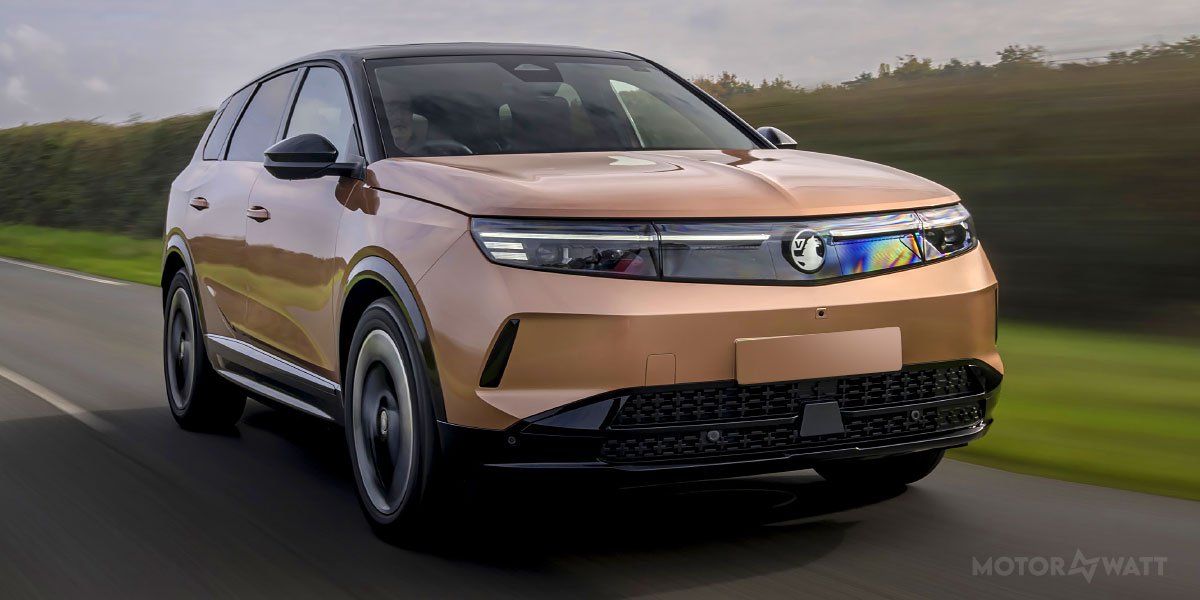
Watch the Video Overview

Full specifications
Model Specs
| Specification | Actual Data |
|---|---|
|
Model Name
|
Opel Grandland Electric
|
|
Model Year
|
2026
|
|
Manufacturer
|
Opel
|
|
Country of Origin
|
Germany
|
|
Vehicle Class
|
SUV, 5 doors
|
|
Power Type
|
Full electric
|
|
Platform
|
STLA Medium
|
|
Starting Price
|
$49,500 USD (€42,470)
|
Performance
| Specification | Actual Data |
|---|---|
|
Powertrain
|
Single motor electric
|
|
Drive Type
|
FWD
|
|
Power Output
|
213 hp (159 kW)
|
|
Torque
|
345 Nm (254 lb ft)
|
|
Acceleration 0 to 100 km per hour
|
9.0 seconds (0 to 62 mph in about 9.0 seconds)
|
|
Maximum Speed
|
170 km per hour (106 mph)
|
Battery and Charging
| Specification | Actual Data |
|---|---|
|
Battery Capacity
|
73 kWh
|
|
Fast Charging Rate
|
Up to 160 kW (DC)
|
|
Charging Time 20 to 80 percent
|
About 29 minutes on DC fast charging
|
|
AC Charging Power
|
11 kW wallbox
|
|
AC Full Charge Time
|
About 7 hours
|
|
Thermal Management
|
Battery thermal management with heat pump support
|
Estimated Range Data
| Specification | Actual Data |
|---|---|
|
Rated Range
|
523 km (325 miles)
|
|
Expected Mixed Real World Range
|
About 470 km (292 miles)
|
|
Highway Focused Range
|
About 440 km (273 miles)
|
Body Specifications
| Specification | Actual Data |
|---|---|
|
Body Type
|
SUV, 5 doors
|
|
Length
|
4,650 mm (183.1 in)
|
|
Width
|
1,905 mm (75.0 in)
|
|
Height
|
1,660 mm (65.4 in)
|
Exterior Design Features
| Specification | Actual Data |
|---|---|
|
Design Theme
|
Opel Vizor face with clean surfacing and defined lines
|
|
Headlights
|
Pixel Matrix LED
|
|
Wheels
|
19 in standard, 20 in available (483 mm, 508 mm)
|
|
Aerodynamic Details
|
Air curtains and drag reducing flush surfacing
|
|
Roof Styling
|
Optional contrasting black roof finish
|
Interior Design and Materials
| Specification | Actual Data |
|---|---|
|
Cockpit Layout
|
Pure Panel digital cockpit with driver focused screens
|
|
Front Seating
|
Intelli Seats with ergonomic support design
|
|
Materials
|
Recycled material upholstery option with premium tactile finish
|
|
Cabin Storage
|
Over 35 L (9.2 gal) of cabin storage solutions
|
Cabin Technical Features
| Specification | Actual Data |
|---|---|
|
Instrument Cluster Display
|
10 in digital cluster (254 mm)
|
|
Infotainment Display
|
10 in base infotainment, up to 16 in wide display on upper trims (254 mm, 406 mm)
|
|
Controls
|
Physical climate controls plus touchscreen interface
|
|
Wireless Charging
|
Pixel Box wireless phone charging
|
|
Driver Assistance
|
Adaptive cruise control, lane assistance, automated emergency braking
|
|
Regenerative Braking
|
Steering wheel paddle control for regen tuning
|
How does it compare?
Opel Grandland Electric enters a crowded compact electric SUV space alongside Kia EV5, Peugeot e-3008 Long Range, Tesla Model Y, and Volkswagen ID.4. All five chase family buyers who prioritize usable range, charging rhythm, and price logic over badge drama. Differences appear quickly once real miles, charging stops, and daily cost math enter the conversation. Some lean sporty, others lean calm. That contrast shapes ownership more than spec sheet bragging.
| EV Model | PRICE (USD) | KEY FEATURES | EV PAGE |
|---|---|---|---|
|
Grandland Electric
|
Model Year 2026, Germany, Range 325 miles (523 km), Battery 73 kWh, FWD, 0–62 mph 9.0 sec (0–100 km/h), Top Speed 106 mph (170 km/h), Power 213 hp 159 kW |
||
|
Kia EV5
|
Model Year 2025, China, Range 329 miles (530 km), Battery 88 kWh, FWD or AWD, 0–62 mph about 7.5 sec, Top Speed 115 mph (185 km/h), Power up to 308 hp 230 kW |
View | |
|
Peugeot e-3008 Long Range
|
Model Year 2026, France, Range 435 miles (700 km), Battery 98 kWh, FWD, 0–62 mph about 8.0 sec, Top Speed 105 mph (170 km/h), Power 231 hp 170 kW |
View | |
|
Tesla Model Y
|
Model Year 2026, USA, Range 330 miles (531 km), Battery about 75 kWh, AWD available, 0–62 mph 5.0 sec, Top Speed 135 mph (217 km/h), Power about 384 hp 286 kW |
View | |
|
Volkswagen ID.4
|
Model Year 2026, Germany, Range 291 miles (468 km), Battery 82 kWh, RWD or AWD, 0–62 mph 6.2 sec, Top Speed 112 mph (180 km/h), Power up to 335 hp 250 kW |
View |
Range and Real World Usability
Peugeot e-3008 Long Range stretches distance expectations with up to 435 miles (700 km), clearly targeting highway travelers. Tesla Model Y and Kia EV5 cluster around the 330 mile mark (about 530 km), balancing efficiency with performance. Volkswagen ID.4 trails slightly but remains practical for daily cycles. The German contender focuses on steady real use, where 325 miles (523 km) reduces charging stress without chasing extremes.
Charging Time and Daily Convenience
Fast charging defines convenience. Tesla benefits from dense network access and short stops, often under 30 minutes for 20–80 percent. Kia EV5 and Peugeot e-3008 support high DC rates that favor road trips. Volkswagen ID.4 stays competitive but slower. The STLA Medium setup favors predictable charging sessions that align with coffee breaks rather than sprint stops.
Price Positioning and Value Logic
Price logic separates personalities. Tesla Model Y undercuts most rivals while offering strong performance. Volkswagen ID.4 sits mid pack with balanced features. Kia EV5 tempts buyers seeking modern tech at a reasonable ask. Peugeot e-3008 Long Range commands a premium for distance. At $49,500, the German entry positions itself as a comfort focused value play, trading raw speed for range discipline and cabin calm.